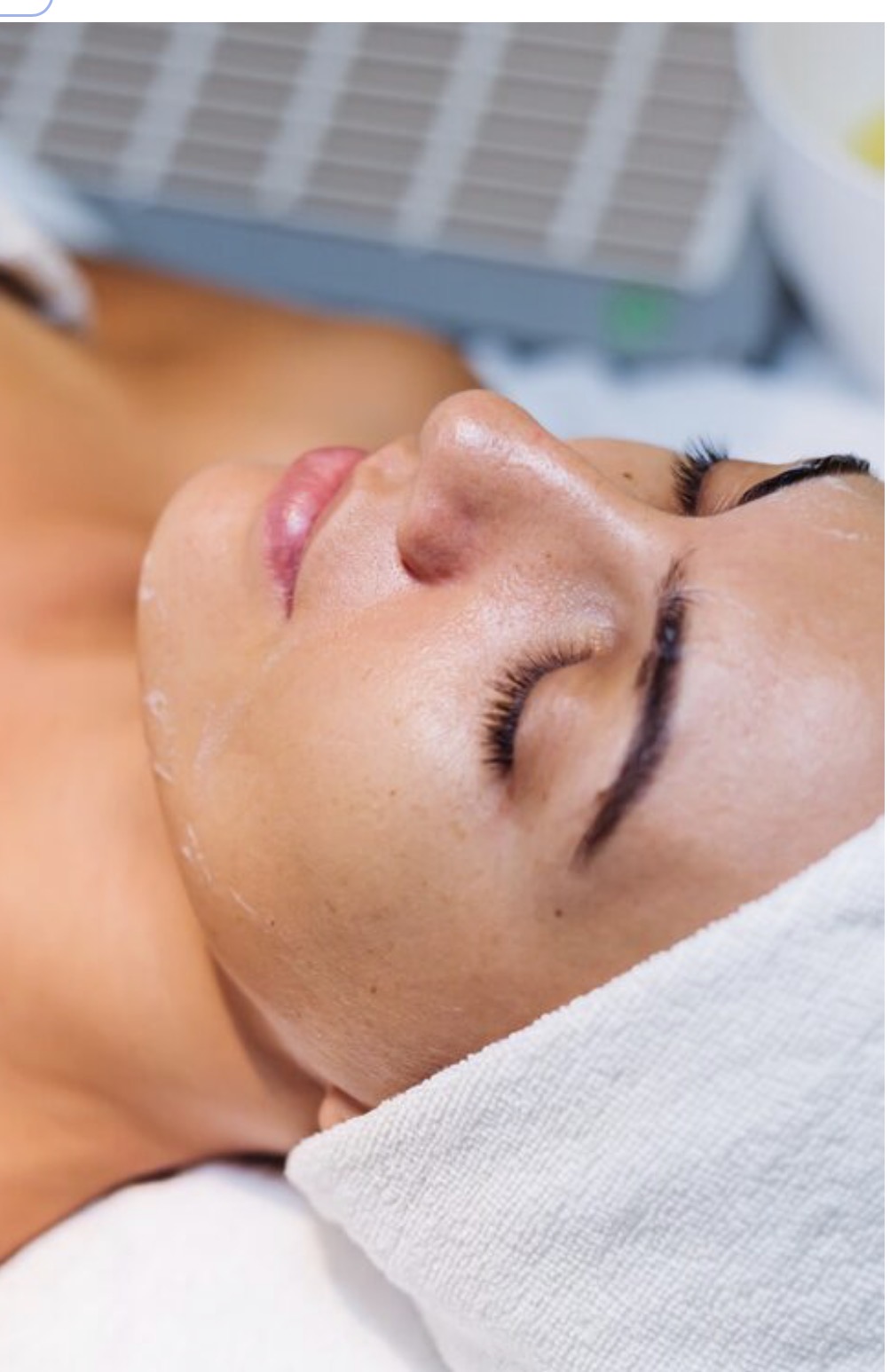
Facial skin faces daily exposure to airborne pollutants, cosmetic residue, environmental dust, and naturally produced sebum. Over time, these substances settle into hair follicles, creating stubborn blockages that dull the complexion and trigger localized inflammation. While everyday home cleansers help maintain surface hygiene, they rarely possess the structural capability to pull out deeply embedded impurities from congested pore pathways. A detoxifying skin treatment bridges this gap by utilizing active botanical antioxidants, gentle thermal clearance, and targeted suction to purify the follicular structure without stripping the lipid barrier. Understanding how pore congestion develops, how professional detoxification operates at a cellular level, and how to maintain clear skin between clinical sessions allows individuals to establish a reliable foundation for long-term dermal clarity.
The Physiology of Pore Congestion
Understanding how pores become blocked requires examining the structure of the pilosebaceous unit. Each hair follicle on the face contains a sebaceous gland that secretes sebum, a natural lipid mixture designed to lubricate the skin and support barrier function.
When functioning normally, sebum flows smoothly to the surface of the skin, mixing with microscopic dead skin cells and shedding invisibly. However, several factors can disrupt this fluid process:
- Hyperkeratinization: The body sometimes produces excess keratin, causing dead skin cells to stick together inside the follicular funnel instead of shedding cleanly.
- Sebum Oxidation: When trapped sebum contacts ambient oxygen at the pore opening, a chemical transformation occurs. The lipids oxidize, turning dark and forming visible blackheads (open comedones).
- Environmental Particulate Matter: Fine microscopic pollutants settle into open pore channels, binding with oxidized lipids to form dense plugs that resist manual washing.
- Bacterial Proliferation: Trapped organic matter creates an anaerobic environment where resident skin bacteria flourish, releasing inflammatory enzymes that cause swelling, redness, and papule formation.
Attempting to squeeze or force open congested pores without proper professional preparation can fracture the fragile follicular wall. This spreads inflammatory bacteria into deeper dermal tissue, increasing the risk of scarring and hyperpigmentation.
Biological Mechanisms of Professional Skin Detoxification
A clinical detoxifying protocol goes far beyond simple surface cleansing. Rather than applying harsh chemical strippers or abrasive scrub particles, modern aesthetic practices rely on non-invasive biochemical and physical extraction methods to restore pore function.
Deep Enzymatic and Thermal Preparation
Effective extraction begins by softening the keratinized plugs obstructing follicular pathways. Practitioners apply specialized thermal compresses or mild enzymatic solutions containing botanical extracts to loosen the intercellular lipids binding dead cells together. Warming the tissue increases local micro-circulation, making embedded impurities easier to draw out safely.
Active Antioxidant Neutralization
City dust and airborne pollutants generate high levels of oxidative stress within clogged pores. Formulations rich in resveratrol and active polyphenols help neutralize free radicals right at the source. Resveratrol, a natural compound derived from grapes and berries, calms visible inflammation while strengthening cellular defense mechanisms against daily environmental aggressors.
Fluid-Vortex and Vacuum Extraction
Once impurities are loosened, gentle vacuum-assisted suction or fluid-vortex technologies flush liquid solutions into the pores while pulling out trapped debris. This process clears stubborn blockages cleanly, eliminating manual friction and reducing post-treatment redness.
| Treatment Parameter | Traditional Manual Facial | Professional Detoxification | Aggressive Chemical Peel |
|---|---|---|---|
| Primary Extraction Method | Manual fingers or metal loop pressure | Vacuum vortex and enzymatic softening | Acid-based tissue shedding |
| Impact on Barrier Function | Moderate risk of surface irritation | Gentle and supportive of lipid balance | High risk of temporary barrier disruption |
| Targeted Impurities | Superficial blackheads and surface oil | Deep sebum, urban pollutants, and oxidized lipids | Stratum corneum cellular buildup |
| Recovery Requirement | Potential localized redness for 24 hours | Minimal to zero downtime | Several days of visible peeling |
Key Ingredients in Detoxifying Formulations
The success of a professional purifying treatment depends on the quality and bio-availability of the active ingredients used during application.
Resveratrol
Resveratrol is an exceptionally powerful antioxidant recognized for its ability to calm inflammatory responses within skin tissue. When infused into congested pores, it mitigates the damaging effects of daily pollution, supports natural skin repair, and helps regulate excessive oil oxidation.
Activated Charcoal and Natural Clays
Kaolin and bentonite clays, along with micro-porous charcoal, act like bio-magnets to attract negatively charged toxin particles and excess surface oils. These natural mineral bases absorb impurities from the skin surface without leaching essential moisture from deeper epidermal layers.
Salicylic Acid (BHA)
Unlike water-soluble alpha-hydroxy acids, salicylic acid is lipid-soluble. This unique chemical structure allows it to mix easily with oil, enabling it to penetrate deep inside the sebum-filled pore to dissolve cellular debris and calm underlying irritation.
Receiving a structured detox facial provides a targeted way to clear clogged pores and shield your skin against daily urban pollution.
Integrating Detox Treatments Into a Skincare Plan
Maintaining clear pores requires consistency, as sebaceous glands continuously produce new lipids and cell turnover occurs on a multi-week cycle.
A standard purifying regimen typically follows a structured progression:
- Initial Purification: Individuals dealing with persistent breakouts, heavy blackheads, or environmental dullness often start with two to three purifying sessions scheduled two to three weeks apart.
- Seasonal Maintenance: Once follicular congestion clears, scheduling a monthly detox session maintains pore clarity and prevents new blockages from forming as weather conditions change.
- Pre-Procedure Preparation: Clearing out pore pathways serves as an ideal foundation before undergoing deeper structural treatments, such as thermal skin tightening or collagen induction therapy, ensuring active topical nutrients absorb efficiently.
Complementary Aesthetic Modalities
To optimize overall skin health, professional estheticians frequently pair purifying therapies with complementary non-invasive treatments:
Hydro-Exfoliation
Hydro-exfoliation uses gentle vacuum suction alongside hydrating serum delivery to clear out follicular channels while instantly replenishing moisture. This combined action leaves the skin smooth, deeply hydrated, and balanced.
LED Blue and Red Phototherapy
Exposing freshly cleansed skin to specific light wavelengths enhances overall treatment results. Blue LED light targets acne-causing bacteria within open pores, while red light penetrates deeper tissue to soothe inflammation and support natural cell repair.
Micro-Transdermal Nano-Infusion
Following deep pore extractions, transdermal nano-infusion uses microscopic silicone tips to create temporary micro-channels in the upper epidermis. This process allows soothing peptides, low-molecular-weight hyaluronic acid, and botanical antioxidants to absorb directly into active skin layers without disrupting the protective moisture barrier.
Daily Habits for Maintaining Clear Pores at Home
While professional treatments handle deep pore clearance, daily home maintenance plays an essential role in preventing new blockages between appointments.
Essential daily maintenance guidelines include:
- Practice Double Cleansing at Night: Use a gentle, oil-based cleanser first to dissolve makeup, sunscreen, and excess sebum, followed by a mild water-based cleanser to remove remaining surface residue.
- Avoid Harsh Physical Scrubs: Crushed shells and coarse abrasive scrubs create microscopic tears in the skin surface, causing inflammation that can worsen pore blockages. Choose gentle enzymatic or low-dose chemical exfoliants instead.
- Maintain Dermal Hydration: Skipping moisturizer causes skin to overproduce sebum to compensate for dryness. Use lightweight, non-comedogenic lotions containing ceramides and hyaluronic acid to support the natural moisture barrier.
- Apply Daily Broad-Spectrum Sun Protection: UV exposure oxidizes surface lipids and damages collagen surrounding pore walls, causing pores to appear larger. Apply a chemical-free or mineral broad-spectrum sunscreen with SPF 30 or higher every morning.
A Balanced Strategy for Clear, Resilient Skin
Achieving clear pores and a luminous complexion requires balancing deep purification with barrier protection. By understanding how environmental pollutants and oxidized lipids contribute to pore blockages, individuals can choose targeted treatments that clear impurities safely without causing inflammation. Combining professional detoxifying therapies with gentle daily homecare, proper hydration, and broad-spectrum sun protection establishes a dependable foundation for smooth, healthy, and vibrant skin throughout every season.